
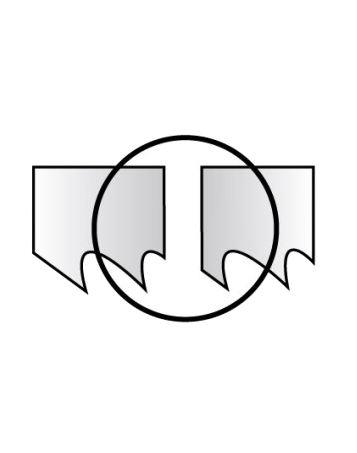
Premature breakage of a bandsaw blade is a serious issue, leading to downtime, wasted material, and potential injury. Let’s add this to our existing breakdown of bandsaw problems, focusing on the causes and preventative measures.
Revised Summary Including Premature Breakage
An inaccurate cut or premature blade breakage on a bandsaw can be incredibly frustrating. It means your blade isn’t performing as intended, leading to wasted material, misaligned projects, and potential injury. Here’s a breakdown of common causes and solutions:
Blade-Related Issues:
- Dull Blade: A dull blade requires more force to cut, increasing the likelihood of deflection, inaccurate cuts, and premature breakage.
- Solution: Sharpen or replace the blade regularly. Regular maintenance is key.
- Incorrect Blade Tension: Improper tension is a major culprit in both inaccurate cuts and premature blade failure. Too little tension causes the blade to wander and flex excessively, leading to breakage; too much tension can also cause breakage.
- Solution: Use a tension gauge to set the blade to the manufacturer’s recommended tension for the blade width and type.
- Incorrect Blade Width: Using a blade that is too wide for the curves you are trying to cut will force the blade to deflect, resulting in inaccurate cuts and increased stress, leading to premature breakage.
- Solution: Choose a narrower blade for tighter curves. Avoid using blades that are too wide for the material thickness.
- Welded Blade Issue: A poorly welded blade can have inconsistent tension or a slight bend at the weld point, significantly weakening the blade and causing premature failure.
- Solution: Inspect the weld. If it’s visibly flawed, replace the blade. Always purchase blades from reputable suppliers.
- Incorrect Teeth Set: Too little or too much set (the outward bend of the teeth) can cause binding, excessive friction, and heat buildup, all contributing to premature breakage.
- Solution: Use a blade with the appropriate set for the material and the desired cut quality. Select the correct set for the material being cut.
- Incorrect Blade Material for Cutting Material: Using a blade made of a material not suited for the material being cut leads to premature dulling and increased stress, ultimately causing breakage.
- Solution: Use the correct blade type for the material you are cutting. Check the manufacturer’s recommendations.
- Blade Defects: Manufacturing flaws like cracks or inclusions in the blade can cause sudden and unpredictable failure.
- Solution: Carefully inspect new blades for any defects before use. Return defective blades immediately.
- Overheating: Excessive heat buildup due to improper cutting speed, insufficient lubrication/coolant, or a dull blade weakens the blade, making it prone to breakage.
- Solution: Use the correct cutting speed and feed rate. Ensure proper lubrication/coolant application. Sharpen blades regularly.
Machine-Related Issues:
- Misaligned Blade Guides: Misalignment increases blade stress, causing premature breakage.
- Solution: Use a square and alignment tools to ensure the blade guides are aligned with the blade and the table. Check both the upper and lower guides regularly.
- Worn Blade Guides: Worn guides lead to blade deflection and increased stress.
- Solution: Replace worn guide blocks or bearings immediately.
- Table Not Square to Blade: This causes uneven stress on the blade, resulting in breakage.
- Solution: Use a square to check the table alignment and adjust as needed.
- Loose Trunnion: A loose trunnion can cause unexpected shifts and forces on the blade during operation.
- Solution: Tighten the trunnion lock.
- Worn or Misaligned Blade Wheels: These increase stress and can lead to blade breakage.
- Solution: Inspect blade wheels for damage and ensure they are aligned perpendicular to the blade and the table. Replace if worn.
Hydraulic System Problems: (Applies to hydraulic bandsaws)
- Hydraulic Fluid Leaks: Leaks reduce pressure, affecting blade feed, clamping force, and other hydraulic functions. Inconsistent or sudden pressure changes can cause significant stress on the blade, leading to breakage.
- Solution: Identify and repair leaks. Check seals, hoses, and fittings.
- Low Hydraulic Fluid Level: Low fluid levels lead to insufficient pressure.
- Solution: Check fluid levels regularly. Use the correct type of hydraulic fluid and fill the reservoir to the recommended level. Address leaks.
- Hydraulic Pump Problems: Pump failure or reduced efficiency can impact pressure, causing inconsistent feed and blade stress.
- Solution: Inspect the pump. Check the output pressure. Repair or replace if faulty.
- Clogged Hydraulic Filters: Filters restrict fluid flow, causing erratic pressure changes and potentially leading to blade breakage.
- Solution: Replace filters regularly.
- Hydraulic Cylinder Issues: Problems with cylinders can lead to unexpected blade movements and stress.
- Solution: Inspect cylinders for leaks, damage, or wear. Replace seals. Repair or replace cylinders if needed.
- Contaminated Hydraulic Fluid: Contamination can cause erratic hydraulic functions, possibly inducing unexpected stress on the blade.
- Solution: Change fluid regularly. Use the correct fluid. Ensure filters are in good condition.
Technique-Related Issues:
- Excessive Feed Rate: Forcing the material too quickly causes excessive blade deflection and heat, leading to breakage.
- Solution: Slow down the feed rate. Let the blade do the work.
- Twisting or Forcing the Material: Applying sideways pressure or trying to force the blade through tight curves leads to increased stress and breakage.
- Solution: Guide the material smoothly and steadily. For tight curves, use relief cuts.
- Not Following the Line: Can lead to unexpected stresses on the blade.
- Solution: Use a bright light and take your time.
- Backing Out of a Cut: Backing out of a cut while the blade is still running can bind the blade and cause breakage.
- Solution: If you need to back out, turn off the machine and let the blade stop before removing the material.
Material-Related Issues:
- Internal Stress in the Material: Internal stresses can cause the material to unexpectedly shift or bind, leading to blade breakage.
- Solution: Use techniques to relieve the stress, such as making multiple passes or using a different cutting method.
- Material Movement: Unsecured material can unexpectedly bind or shift during cutting, putting excessive stress on the blade.
- Solution: Use clamps and jigs to secure the material.
- Hidden Objects: Unexpected objects hidden within the material can cause sudden blade breakage.
- Solution: Carefully inspect the material before cutting.
- Check for Vibration: Excessive vibration increases blade stress and contributes to breakage.
- Solution: Check for and address the source of vibration (loose motor, worn bearings, unbalanced wheels).
This expanded guide should be more helpful in diagnosing and preventing premature bandsaw blade breakage. Remember that regular maintenance and proper technique are crucial for extending blade life.
 فارسی
فارسی  English